
Nonprofit organizations play a vital role in serving communities, advancing causes, and managing charitable resources. Because nonprofits often rely on donations, grants, and public support, maintaining financial integrity is essential. Unfortunately, fraud can occur in organizations of any size, leading to financial losses, reputational damage, and reduced donor confidence.
Implementing strong internal controls and proactive fraud prevention measures can help nonprofit organizations safeguard their assets and maintain stakeholder trust.
Why Fraud Prevention Matters for Nonprofit Organizations
Nonprofits face unique fraud risks due to limited staffing, volunteer involvement, and constrained budgets. Common forms of nonprofit fraud include:
- Misappropriation of funds
- Expense reimbursement fraud
- Payroll fraud
- Vendor payment schemes
- Grant misuse
- Unauthorized use of organizational assets
Even a single fraud incident can negatively impact donor confidence, future funding opportunities, and regulatory compliance.
Strengthen Internal Controls
One of the most effective ways to prevent nonprofit fraud is through strong internal controls. Internal controls help ensure that financial transactions are properly authorized, recorded, and reviewed.
Key controls include:
- Separating financial duties among multiple employees
- Requiring approval for significant expenditures
- Conducting regular bank reconciliations
- Restricting access to financial systems
- Reviewing monthly financial reports
Organizations with effective internal controls are better positioned to detect unusual transactions before they become significant issues.
Internal Link: https://geistcpa.com/internal-controls-for-nonprofit-organisations-geist-cpa/
Establish a Clear Fraud Policy
Every nonprofit should have a documented fraud prevention and whistleblower policy. Employees, volunteers, and board members should understand:
- What constitutes fraud
- Reporting procedures
- Investigation protocols
- Protection against retaliation
A written policy communicates the organization’s commitment to transparency and accountability while encouraging ethical behavior.
Conduct Regular Financial Reviews
Routine financial oversight is essential for identifying irregularities. Board members and management should review:
- Bank statements
- Revenue and expense reports
- Grant expenditures
- Credit card activity
- Vendor payments
Regular reviews increase accountability and reduce opportunities for fraud to go unnoticed.
Monitor Donations and Grant Funds
Nonprofits frequently receive restricted donations and grant funding designated for specific purposes. Proper tracking helps ensure compliance with donor requirements and grant agreements.
Best practices include:
- Maintaining separate tracking for restricted funds
- Documenting all grant-related expenditures
- Performing periodic compliance reviews
- Providing transparent financial reporting
These measures can help prevent fund misuse and strengthen stakeholder confidence.
Leverage Technology for Fraud Detection
Modern accounting and nonprofit management systems offer valuable tools for detecting suspicious activity.
Organizations should consider:
- Automated approval workflows
- Audit trail reporting
- Multi-factor authentication
- User access controls
- Transaction monitoring software
Technology can significantly reduce human error and provide greater visibility into financial operations.
The ACFE provides valuable resources on fraud prevention, risk assessment, and organizational controls.
Train Employees and Volunteers
Fraud prevention should be part of an organization’s culture. Ongoing training helps employees and volunteers recognize warning signs and understand reporting responsibilities.
Training topics may include:
- Ethical conduct
- Fraud awareness
- Expense reporting procedures
- Grant compliance requirements
- Data security best practices
A well-informed team serves as an important line of defense against fraud.
Schedule Independent Audits
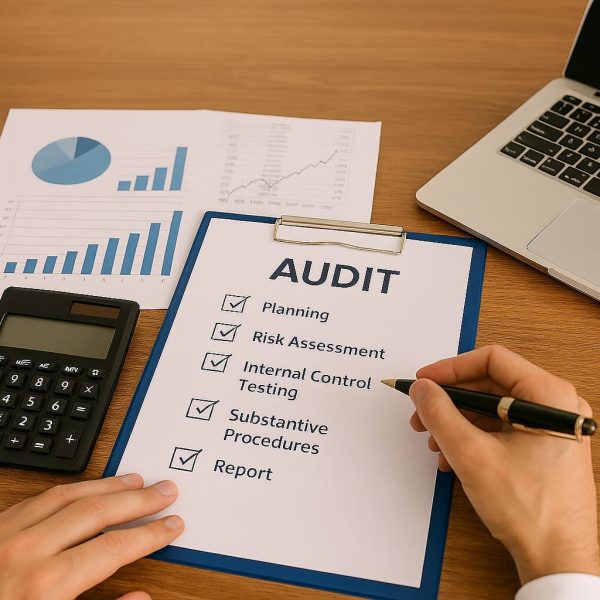
Independent nonprofit audits provide an objective evaluation of financial reporting and internal controls. Auditors identify potential weaknesses and recommend improvements that enhance accountability.
For many organizations, annual audits help demonstrate financial transparency to donors, grantors, and regulatory agencies.
The National Council of Nonprofits offers governance, compliance, and financial management guidance for nonprofit leaders.
Conclusion
Preventing fraud in nonprofit organizations requires a combination of strong internal controls, financial oversight, employee training, and independent review processes. By implementing proactive fraud prevention measures, nonprofits can protect valuable resources, maintain donor trust, and support long-term mission success.
Organizations that prioritize nonprofit financial management, nonprofit compliance, and nonprofit audit readiness are better equipped to identify risks early and create a culture of accountability and transparency. Proper fraud prevention ultimately strengthens public confidence and ensures charitable resources are used for their intended purpose.